

By: Leon Kwasi Kuntuo-Asare
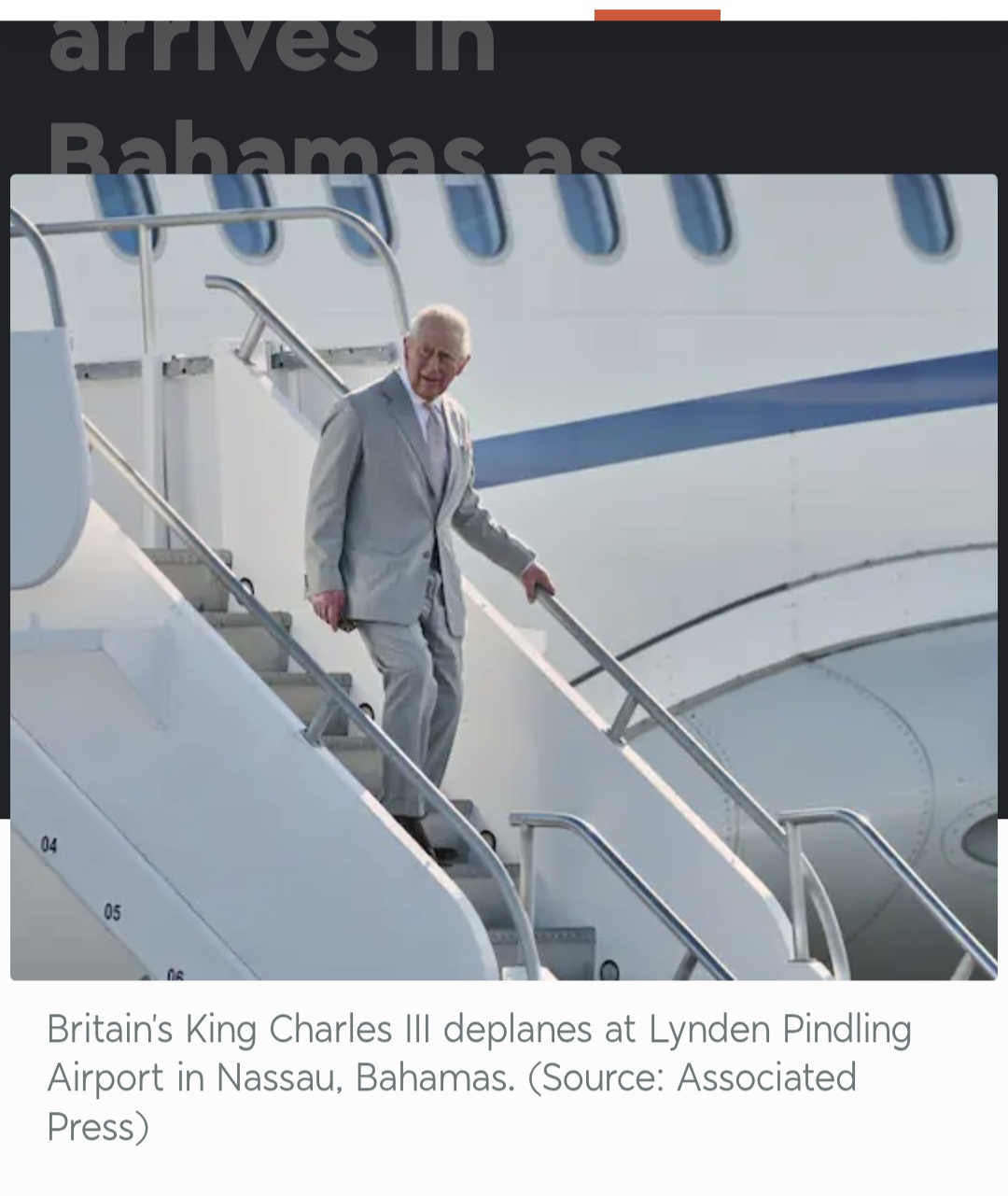
King Charles III recently touched down in the Bahamas, kicking off a major tour across the Caribbean. Officials rolled out the red carpet, greeted him in sharp suits and decorated military uniforms, and held ceremonies marking his first visit here since taking the British throne.
But while royal tours used to be treated like something similar to a Disney fairy tale, times have changed. People across the Caribbean are opening their eyes, raising their voices, and demanding real truth and justice.
Outside the formal meetings, the message from the streets was impossible to ignore. Protesters, including members of the Rastafarian community, gathered with clear demands: an official apology and slavery reparations. One protestor put it simply and plainly: “Pay us what you owe us!”
For centuries, European monarchs treated the Caribbean as nothing more than a money machine powered by stolen African lives. The British royal family wasn’t just watching from the sidelines, they were directly involved in the horrors of the transatlantic slave trade.
The king’s royal ancestors granted charters to slave trading corporations like the Royal African Company, invested personal fortunes into slave voyages, and grew massively rich off the blood, sweat, and tears of enslaved Black people. That stolen wealth helped build royal palaces, fund imperial armies, and establish modern British society, while leaving Caribbean islands stripped of resources and carrying deep generational scars.
King Charles has spoken about his “deep regret” and acknowledged past suffering, but regret doesn’t fix systemic harm. You cannot break into someone’s home, steal their belongings, exploit their labor for generations, and then just say, “I feel bad about the past.”
This is why Caribbean nations led by organizations like the CARICOM Reparations Commission are pushing back harder than ever. They aren’t asking for handouts; they are demanding reparative justice. That means formal state apologies, debt cancellation, investments in public healthcare and schools, and economic compensation to heal centuries of exploitation.
The era of bowing down to European crowns is over. If the British monarchy truly wants reconciliation, it must do more than pose for photos and offer polite words. True justice demands repair, accountability, and the courage to pay what is owed.
For Additional Information And Sources Use Links Below:
https://www.nbcnews.com/world/caribbean/king-charles-iii-visits-bahamas-demands-slavery-reparations-rcna606078
https://www.1news.co.nz/2026/10/28/king-charles-iii-arrives-in-bahamas-as-slavery-reparation-demands-grow/
https://www.theguardian.com/world/2026/oct/27/king-charles-apology-slavery-commonwealth-caribbean
https://caricom.org/tag/poverty-reduction/



Leave a Reply