

By: Leon Kwasi Kuntuo-Asare
Origins
Alessandro de Medici was born in the Republic of Florence (Italy) in 1510. He was born out of wedlock into the very powerful, wealthy and influential Medici family, whose banking dynasty that had dominated Florentine politics for about a century.
Holy lineage: Blood Connection To The Pope
While he was officially considered the illegitimate son of Lorenzo II de’ Medici (Duke of Urbino), many contemporaries and modern historians believe that his true father was Pope Clement VII (Giulio de’ Medici), the cousin of Lorenzo. The Pope’s deep personal investment in Alessandro’s career strongly supports this theory.
Son Of Africa 🌍

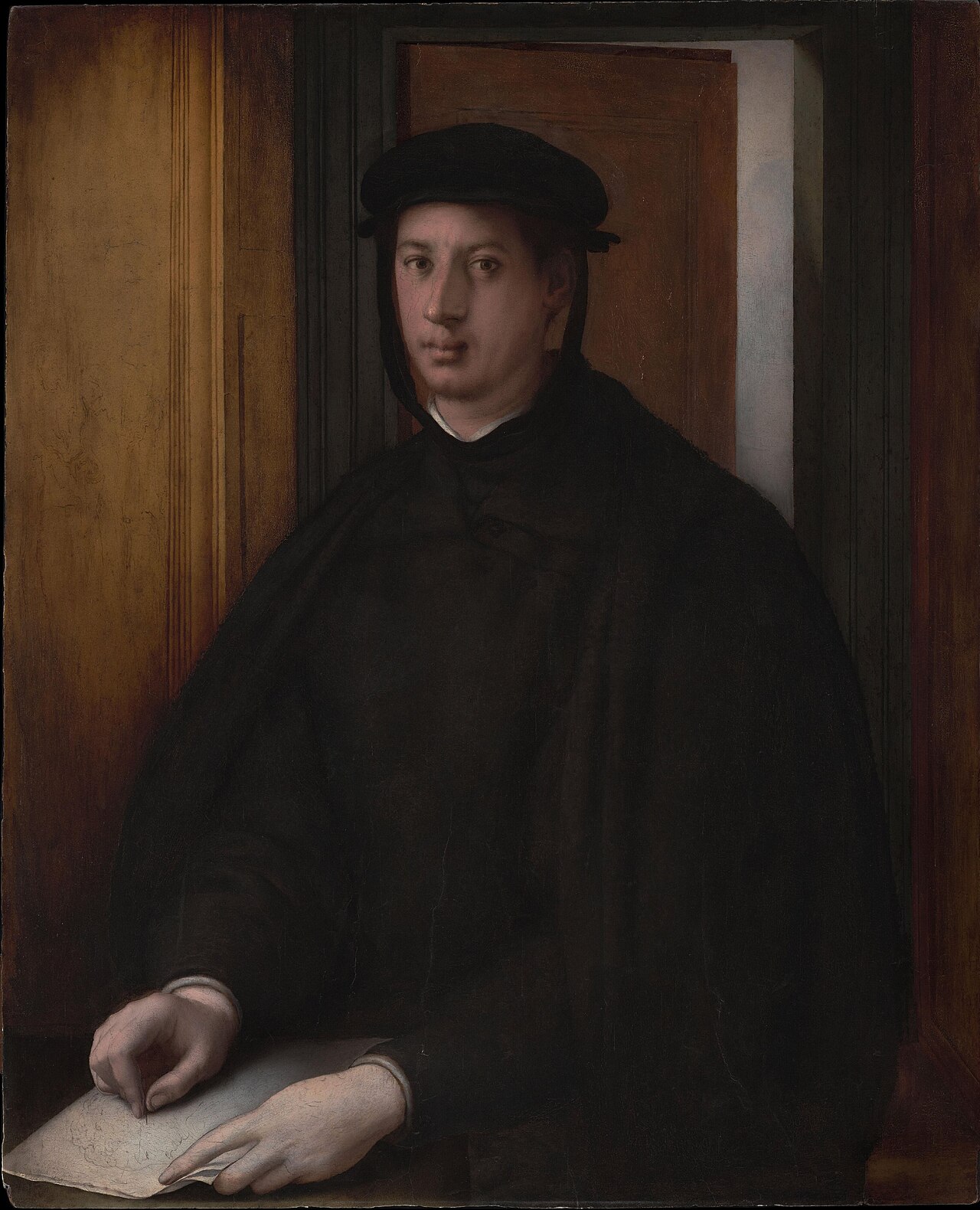
painting by Giorgio Vasari
His mother was a woman named Simonetta da Collevecchio. Historians believe she was a servant or slave in the Medici household. Historical descriptions of Alessandro—including his nickname “Il Moro,” (The Moor), and his mulatto features—have led to the widely accepted belief that Simonetta was a woman of African or “Moorish” descent.

While some accounts attempt to reframe her as an Italian peasant, the evidence from the period, including portraits of Alessandro, points to his mixed-race (Black & White) ancestry.
The First Duke of Florence

Alessandro’s rise to power was orchestrated by his uncle (or possible father), Pope Clement VII. After the Republic of Florence was defeated by the combined forces of the Pope and Holy Roman Emperor Charles V, the city’s republican government was dissolved. In 1532, Alessandro was officially named the first hereditary Duke of Florence, ending centuries of republican rule in the city-state and cementing Medici monarchical rule.

To seal this powerful alliance between the Medici dynasty and the Holy Roman Emperor, Alessandro was married to Margaret of Austria, the illegitimate daughter of the Emperor.

His reign was relatively short, lasting only about 5 years ( from 1532 until 1537). His time on the throne was marked by a lot of political pressure within his dukedom. As Duke, he continued the Medici family legacy as patrons of the arts. However, he was viewed by his political enemies, particularly the city’s republican-minded elite, as a tyrant. His enemies also accused him of ruling with an iron fist, indulging in excess, and acting as a puppet for his imperial and papal patrons.
Assassination and Its Aftermath
Alessandro was assassinated by his distant cousin and companion, Lorenzino “Lorenzaccio” de’ Medici on January 6, 1537, when his cousin devised a plan to lure the 26-year-old duke to his own apartments under the false promise of a romantic. Once Alessandro was alone and unarmed, with the help of a hired assassin, he was brutally attacked and murdered . Later, Lorenzino would claim he had acted as a “new Brutus,” killing a tyrant to liberate Florence and restore the republic. However, like the actions of the original Brutus, the assassination failed to trigger a popular republican uprising. Instead, it created a power vacuum. With Alessandro dead, the main branch of the Medici family was extinguished. The city’s panicked ruling council quickly appointed Cosimo I de’ Medici, from a junior branch of the family, as the new duke. Cosimo would go on to rule for decades, becoming the first Grand Duke of Tuscany and establishing a long-lasting Medici dynasty.
For Additional Information And Sources Use Links Below:
https://en.wikipedia.org/wiki/Alessandro_de’_Medici,_Duke_of_Florence
https://www.pbs.org/wgbh/pages/frontline/shows/secret/famous/medici.html#:~:text=Despite%20the%20security%20this%20kind,order%20to%20win%20his%20confidence.
https://www.pbs.org/wgbh/pages/frontline/shows/secret/famous/mediciupdate.html
https://www.britannica.com/biography/Alessandro
https://blackfactsonline.com/alessandro-de-medici-duke-of-florence/




Leave a Reply