

By: Leon Kwasi Kuntuo-Asare
Origins
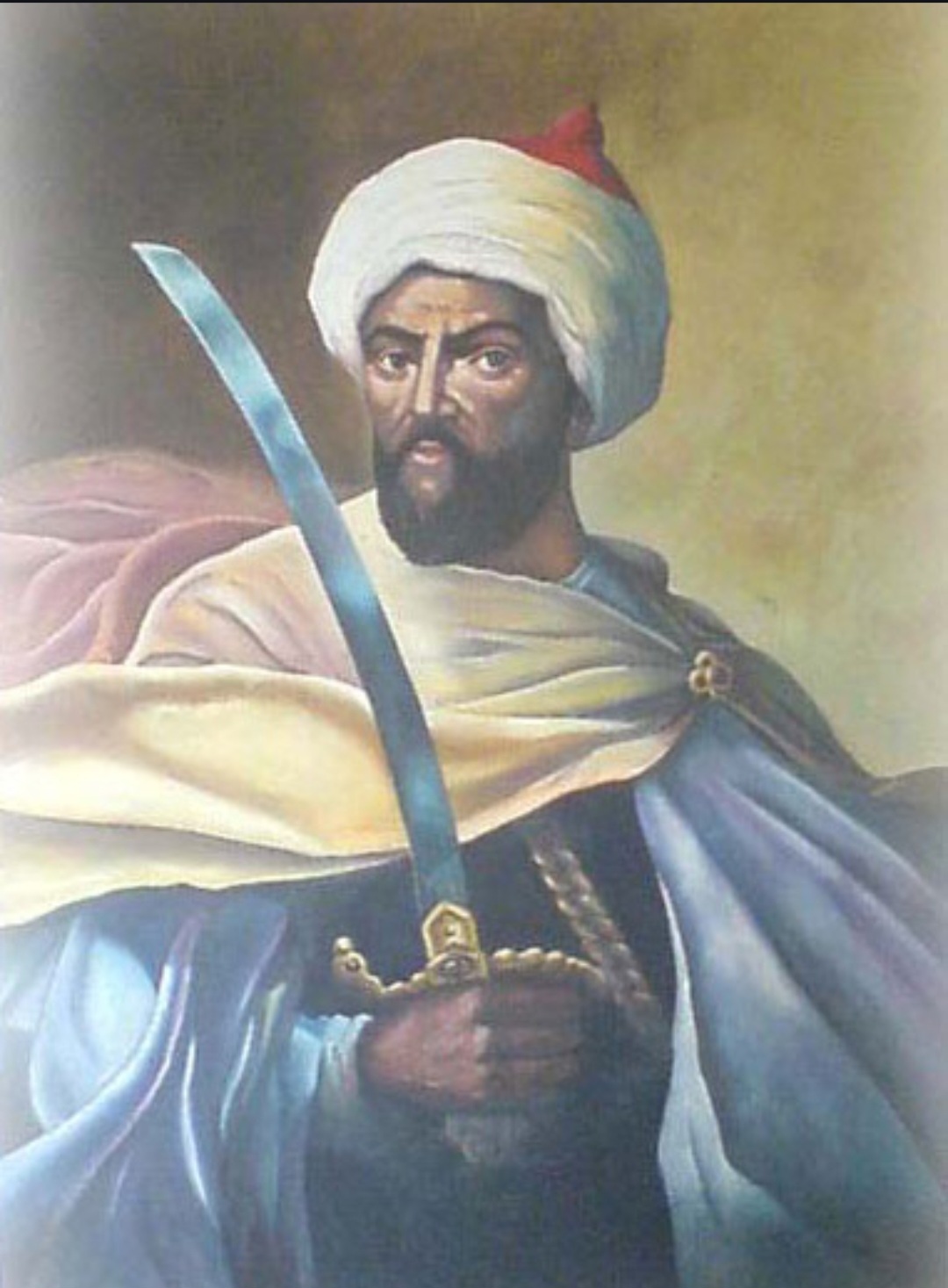
Moulay Ismail Ibn Sharif was born in 1645 in the city of Sijilmassa, Morocco. He was the seventh son of Moulay Sharif, the Emir of Tafilalt and the founder of the Alawi dynasty (a clan that claims descent from Hassan Ad-Dakhil, a 21st generation descendant of the Islamic prophet Muhammad), and Mubarka bin Yark al-Maghfiri, a Black African slave woman from the Haratin ethnic group. For about five years, he served as governor of Fez and northern Morocco from 1667 until the death of his half-brother, Sultan Moulay Rashid, in 1672. After his brother Rashid’s unexpected death, the 26-year-old Ismail immediately seized the treasury in Fez and proclaimed himself Sultan. His claim was not unopposed; he spent over a decade in bloody-conflict with rivals, including his nephew Moulay Ahmed ben Mehrez, before he was finally able to consolidate his rule by 1687.
His Reign And of Consolidation and Power

During his reign, Ismail was dedicated to establishing a unified and absolute Moroccan Kingdom. His objective was to move away from the tribal loyalties that had often fragmented and sabotaged dynasties of previous generations. To help achieve his Consolidation goals, he created a formidable and intensely loyal army known as the ‘Abid al-Bukhari (The Black Guard).

This elite force was primarily composed of freeborn Black individuals and sub-Saharan slaves, many of whom were Muslims, whose allegiance was solely to the Sultan. Ismail, who himself was of mixed heritage with a Black mother, understood the strategic advantage of such a force. The army, which was equipped with European weaponry and trained in advanced military tactics, allowed Ismail to suppress internal rebellions and launch successful military campaigns against European powers occupying Moroccan coastal cities. He is known for recapturing Tangier from the English in 1684 and Larache from the Spanish in 1689. He put an end to the Ottoman Empire’s attempts to influence Morocco, solidified his country’s independence, and enhanced its diplomatic standing with the major European powers of the time. He eventually moved his nation’s capital to Meknes, transforming it into a grand imperial city that some compared to Louis XIV’s Versailles.
Legacy
Moulay Ismail’s legacy is extremely complex. It is undeniable that his military and political tactics made it possible for him to uniffy Morocco under a strong central authority, consolidating the ‘Alawi dynasty’s power, and transforming the country into a formidable regional power.
His military achievements include: the expulsion of European powers from Moroccan coastal enclaves. The imperial city of Meknes stands as a monumental testament to his ambition and building prowess, with his mausoleum located within its vast complex.
However, his reign is also remembered for its severe and often brutal aspects, particularly his absolute and sometimes tyrannical rule. Ismail had four wives (his favorite wife and queen of the palace was Lalla Aisha Mubarka, also known as Zaydana, a Black woman who had started as a concubine) and he had an estimated 500 concubines. Ismail is famously credited by the Guinness Book of World Records with fathering more children than any other man in history, with estimates ranging from 888 to over 1,171. After his death, the post-Ismail era was marked by succession struggles among his hundreds of sons, underscoring both the strength and potential instability inherent in his system. Despite the many debates about his person, Moulay Ismail Ibn Sharif remains a pivotal figure in Moroccan history, a “Warrior King” whose actions shaped the course of the nation from the Early Modern Period to today.
For Additional Information And Sources Use Links Below:
https://en.m.wikipedia.org/wiki/Ismail_Ibn_Sharif
https://en.m.wikipedia.org/wiki/Black_Guard
https://digitalhistories.kennesaw.edu/exhibits/show/faces_of_slavery_us_morocco/political-elites/morocco/sultanismail
https://thedeclarationatcoloniahigh.com/24875/fun-factofthe-day/ismail-ibn-sharif-rule-moroccan-alaouite-dynasty-867-children/




Leave a Reply